Our Learning Blueprint
Our Philosophy
We have designed the school experience as an Adaptive Learning Ecosystem—a space engineered to foster intrinsic motivation, academic rigor, and a deep sense of belonging. By centering our model on the Village, we create a pathway for every child to move from passive learner to an active co-designer of their own education.
We believe that by creating a joyful, inquiry-based environment where students have active membership, we foster the intrinsic motivation and confidence they need to lead in a rapidly changing world. When students are empowered as stewards of their own education, mastery is not just a goal—it is a natural outcome.
Our Innovative Learning Blueprint
-
Learning Blueprint Community Schools (LBCS) Our non-profit Charter Management Organization (CMO). It serves as the strategic engine—providing the governance, financial oversight, and systems-thinking required to reimagine education.
ThinkerStudio Our permanent city-wide Learning Community. This is our Research & Development anchor where breakthroughs are tested and documented. It represents a decade of "lived research" and serves as the technical heart of our network.
East End Academy Our proposed tuition-free public charter school. Rooted in the historic East End, it is the first flagship designed to move the ThinkerStudio model from a private sanctuary to a public utility.
-
At the core, Learning Blueprint schools aspire to operate as learning ecosystems where students, families, and educators act in symbiotic relationships, with children at the center. Through reflection, we can respond —adjusting our internal systems to meet the evolving needs of our members. Learning is multidirectional, we foster growth and innovation through collaboration and co-creation in all domains, focusing on creating and maintaining a thriving learning community.
As a learning community, through mutually supportive and evolving relationships, each school will cultivate its own culture of belonging and connection where every individual is seen, heard, and valued.
The following frameworks are what make up the foundation of our Learning Blueprint: Personalized Learning, Meaningful Inquiry, Art Integration, Design Thinking, Holistic Health and Wellness and Long-Term Thinking.
-
We believe that if the first teacher is the parent and the second is the educator, the Third Teacher is the environment itself. At Learning Blueprint Community Schools, we don’t just build classrooms; we engineer learning landscapes designed to provoke wonder, encourage collaboration, and reflect the vibrant culture of the East End and Houston.
Active Discovery: The Interior Studios
Our physical footprint is a calibrated tool for inquiry. Inside our walls, we prioritize Radical Accessibility, where the tools of the trade are always within reach.
The Transparency of Work: Our studios and makerspaces feature glass and open layouts, allowing students to see "work in progress" across age groups. This fosters a natural culture of mentorship and shared inspiration.
The Studio Concept: We replace traditional rows of desks with specialized labs—Art, Culinary, Digital Design, and Science. By making professional-grade tools accessible, we invite students to move from passive consumers to active creators.
The Play Lab: The Outdoors as a Rigorous Extension
We dissolve the traditional boundary between "recess" and "learning." Our nature-landscaped grounds function as a rigorous extension of our indoor studios, operating in two distinct modes:
Exploratory Inquiry (The Facilitated Invitation): Our outdoor plazas and gardens serve as living laboratories for biology and physics, featuring permanent water channels for hydrology experiments and soil labs for ecological stewardship.
Adventurous Play (The Child-Directed Core): In our large-scale building zones, students navigate managed risk using loose parts and real tools. This self-directed play is a neurobiological requirement, building the executive function and resilience necessary for high-level academic focus.
Bringing the Outside In: A Culture of Belonging
The school is designed to feel like a natural extension of the community’s social fabric, utilizing natural light, local materials, and community-inspired murals.
The Neighborhood as a Resource: Every corner of our campus sends a clear message to the learner: Your ideas are valued, your culture is celebrated, and you are the architect of this space.
Ecological Stewardship: By monitoring our on-site water-harvesting cisterns and solar yields, students treat the facility itself as a primary textbook for math and systems thinking.
-
We are dissolving the boundary between the classroom and the community. By inviting local experts to serve as Expert Community Faculty, we bring professional mastery directly to our students.
Learning Labs: Our school features specialized studios for the arts, gardens for biology, and kitchens for chemistry—all co-led by industry professionals.
Durable, Transferrable Skills: We prioritize the Human Skills that the innovation economy demands: collaborative communication, confident self-advocacy, and grit.
-
The data is a clear call to action. Learning Blueprint Community Schools (LBCS) exists to launch PK-12, open-enrollment public charter schools designed as prototypes for designing solutions to the specific challenges facing our communities. Our Framework is strategically built using evidence-based practices to address regional needs while leveraging each community's unique assets.
Our Framework
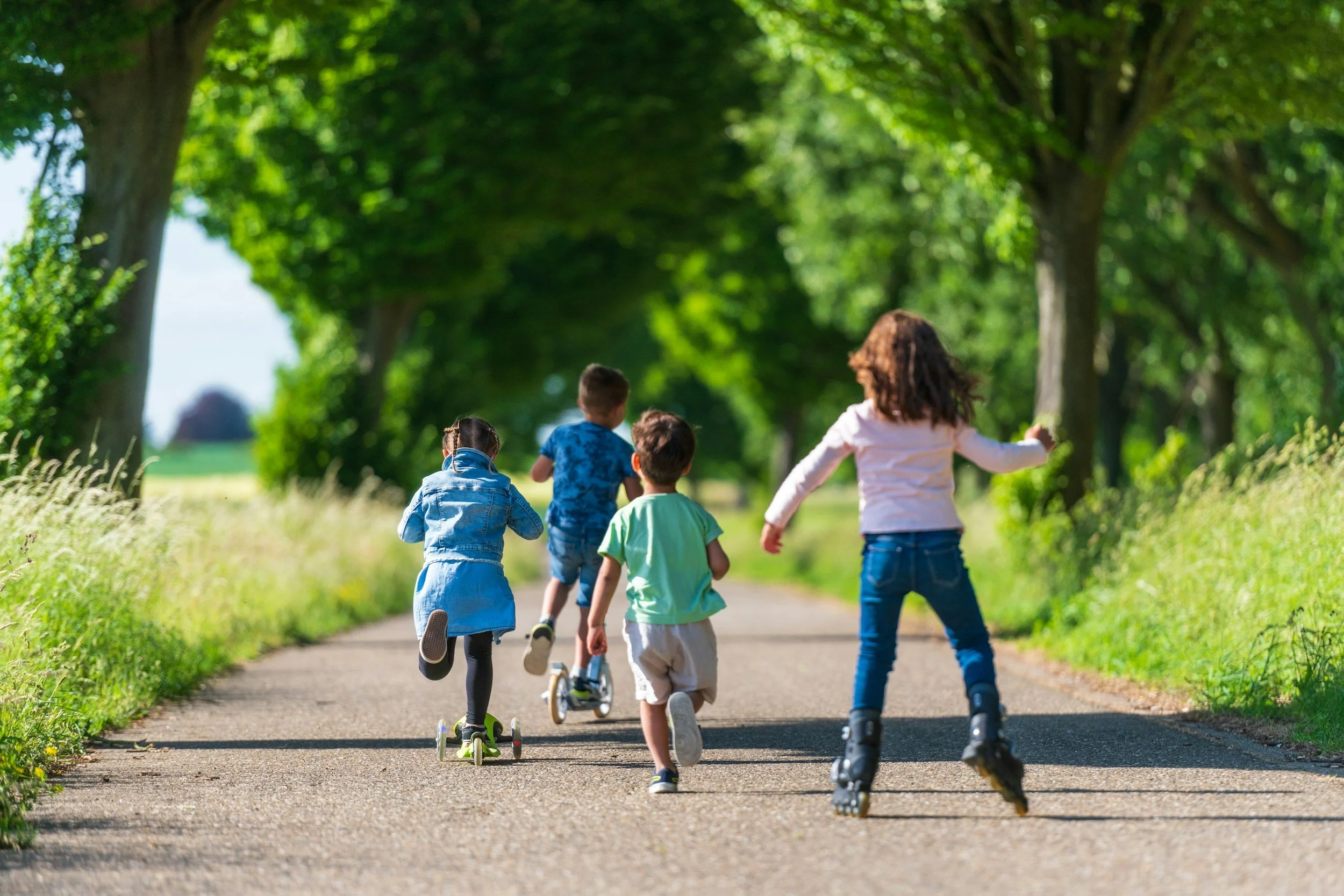
Personalized Learning
Educators work alongside families and learners to co-create dynamic Personalized Learning Plans (PLPs). Ongoing assessment for understanding ensures we can meet the child where they are. Students maintain autonomy and are supported to move through the curriculum at a pace that ensures true mastery of standards.
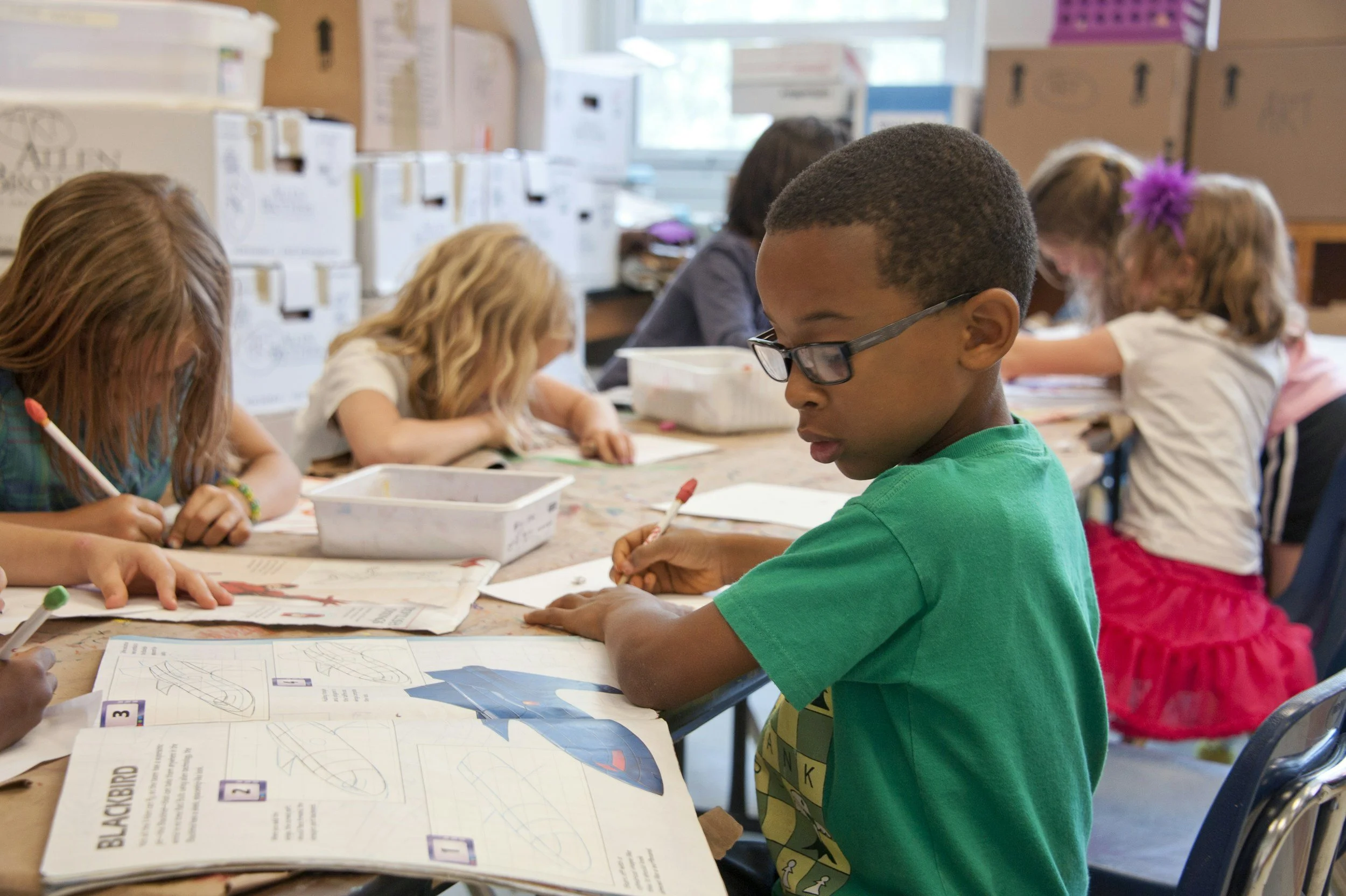
Meaningful Inquiry
Learning will be active. Children engage in relevant, hands-on learning, addressing real-world challenges through exploratory activities and community-based projects. Students will develop the durable skills (e.g., collaboration, communication, problem-solving, resilience) needed to solve complex 21st century problems.
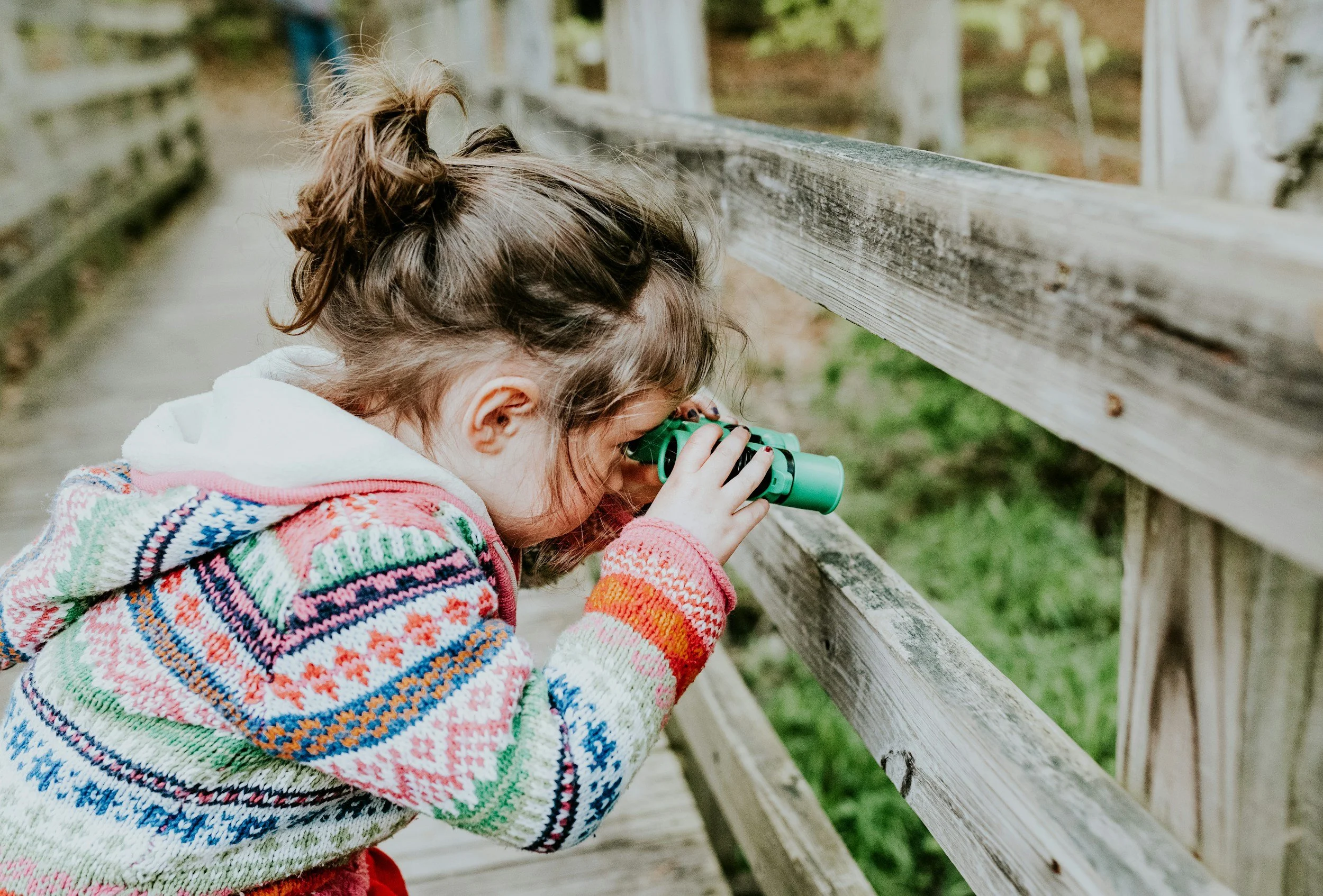
Art Integration
Art is not a class to take. Culture, curiosity and critical thinking are baked into the core curriculum. Children are always interpreting and expressing the world around them, art allows learners to access and process information in varied ways—auditory, visual, kinesthetic—deepening their connection and understanding of the curriculum. By celebrating individual and cultural expression, we will ensure that our school reflects the neighborhoods it serves, fostering pride and identity that drives academic engagement.
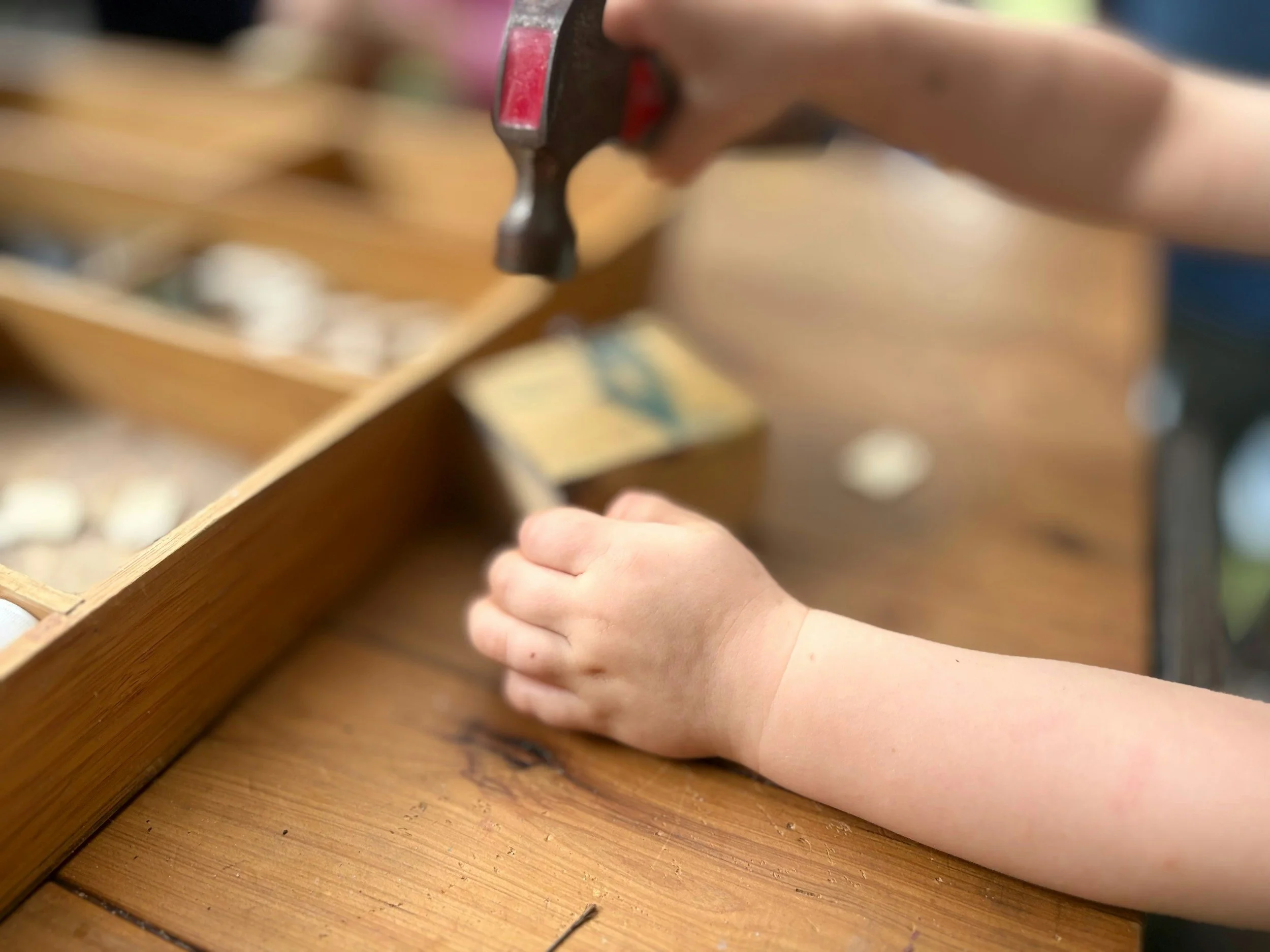
Design Thinking
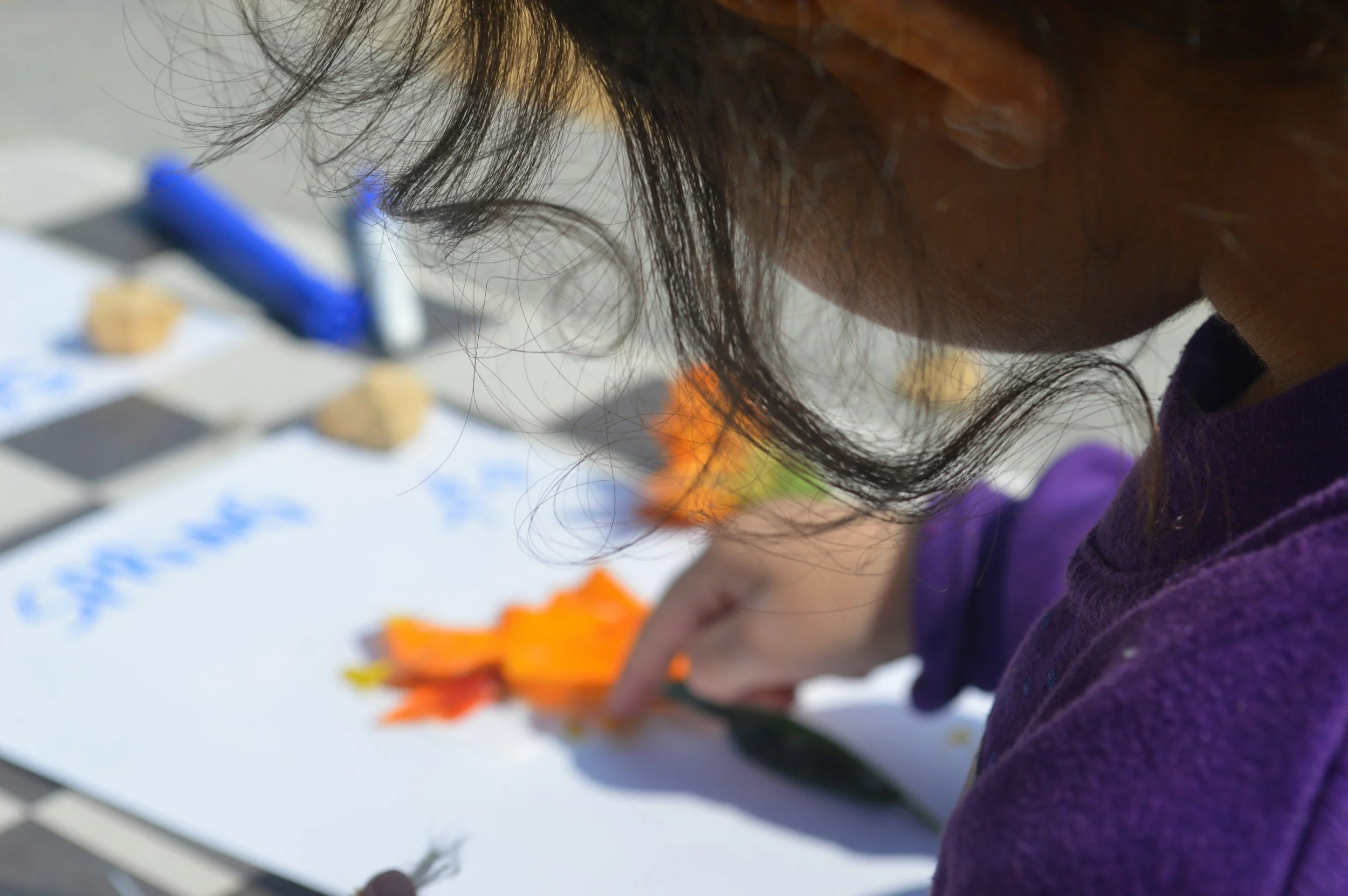
Design Thinking is our approach to tackling real-world problems. We encourage learners to gather information and gain insight. We tap into their creativity by suspending judgment. We prioritize learning environments and opportunities where students can experiment, fail forward, and iterate toward improvement, equipping them with a designer’s mindset: the belief that they can transform the world around them through collaborative action.
Holistic Health and Wellness
We attend to the irreducible needs of every child. A child cannot thrive if the family is in crisis. By focusing on the whole child—giving attention to non-curricular needs that are integral to a child’s success such as developmental support, nutrition, fitness, and play—we create a stable foundation where students feel safe, supported, and ready to engage in deep learning. The Village will support connecting families with resources and services for a full spectrum of health needs (e.g., medical and therapeutic services, food security).
Long-term Thinking
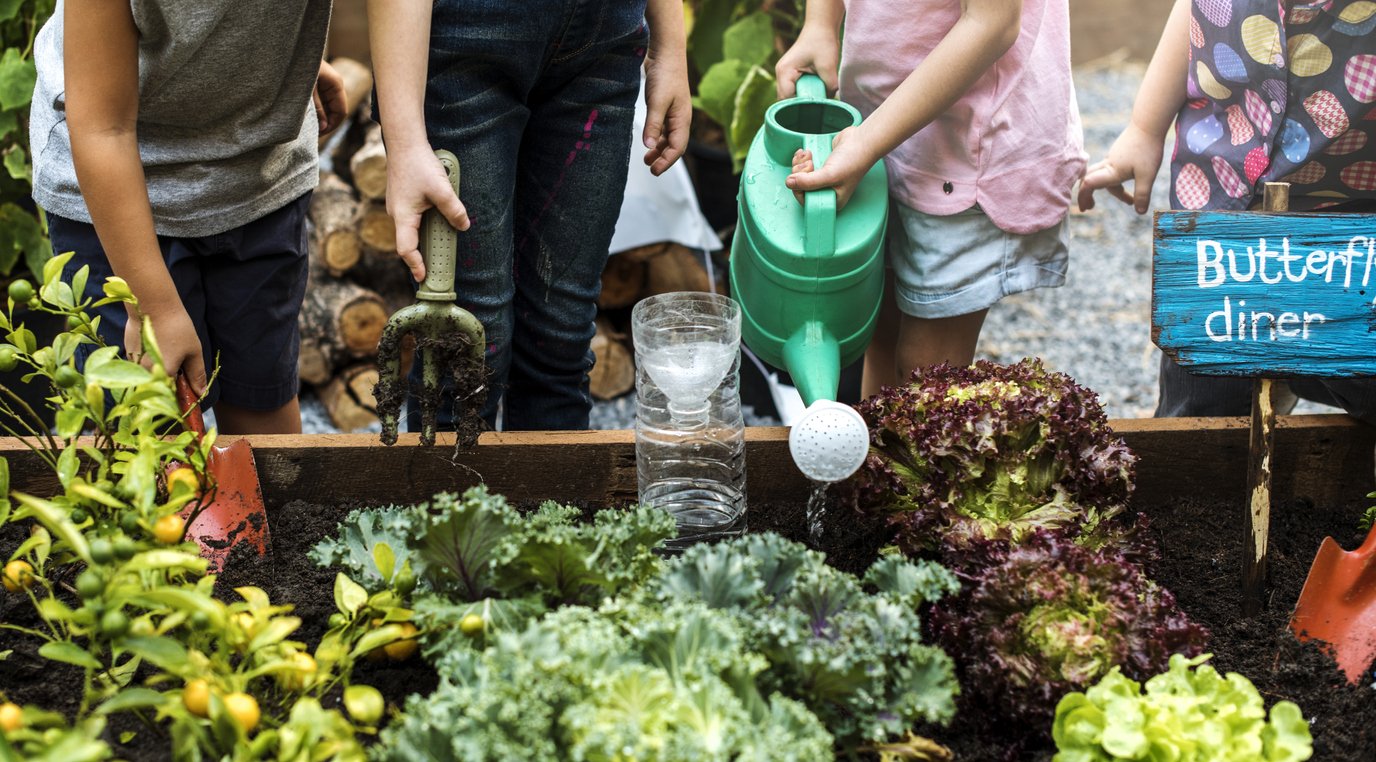
With awareness that decisions made today will ripple into the future, we aim to create generative systems and practices that sustain our environment for future generations, balancing human needs with ecological integrity. We cannot predict the future but we can pay attention, stay flexible, imagine possibilities and be intentional about the culture we create.
The Portrait of a Graduate
The ultimate goal of our learning blueprint is to cultivate the essential, durable skills our students need to thrive in a changing world. A graduate of our schools will be:
A Creative Problem-Solver
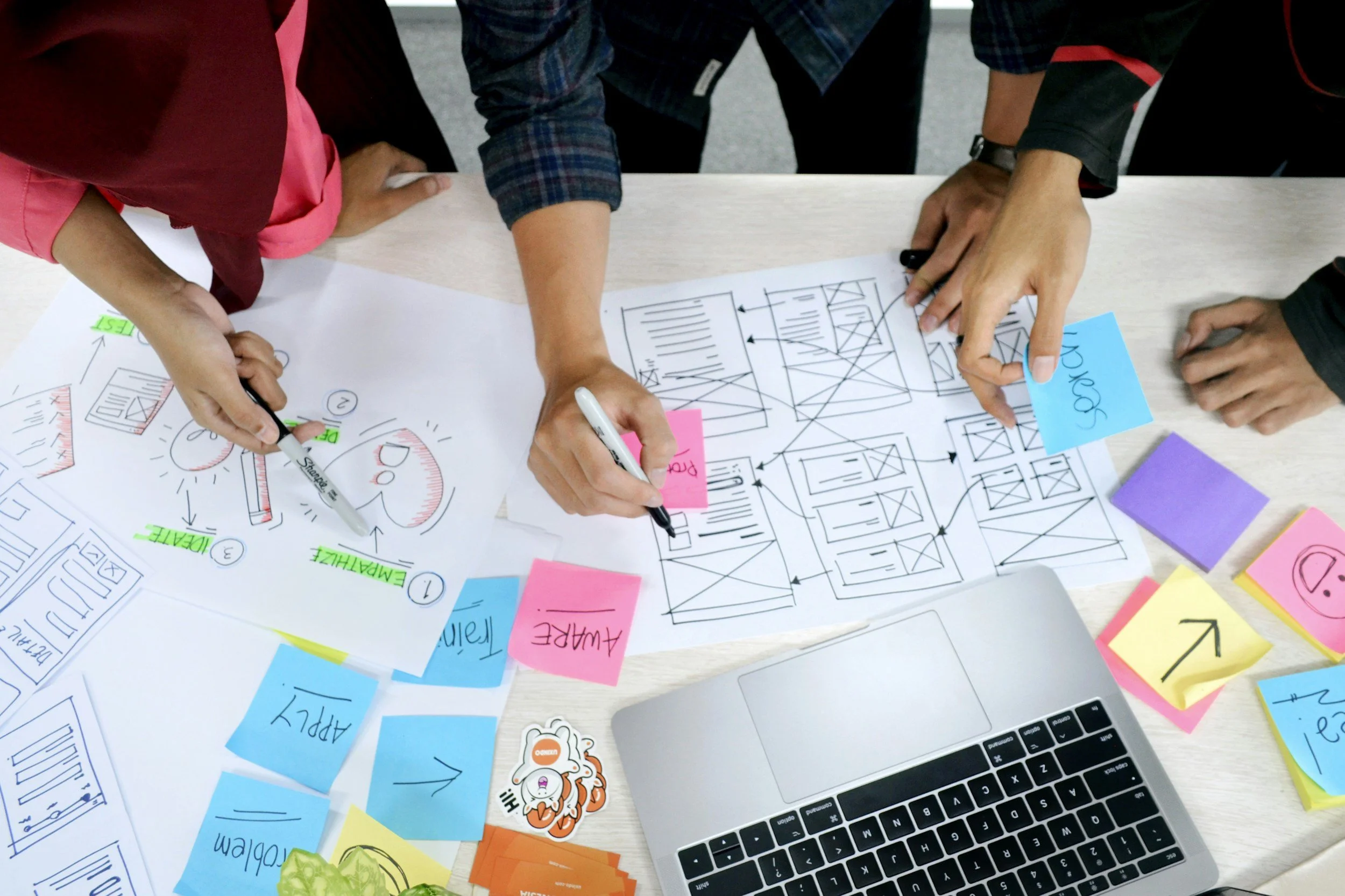
Who uses design thinking to tackle complex challenges, not just answer multiple-choice questions.
A Confident Advocate
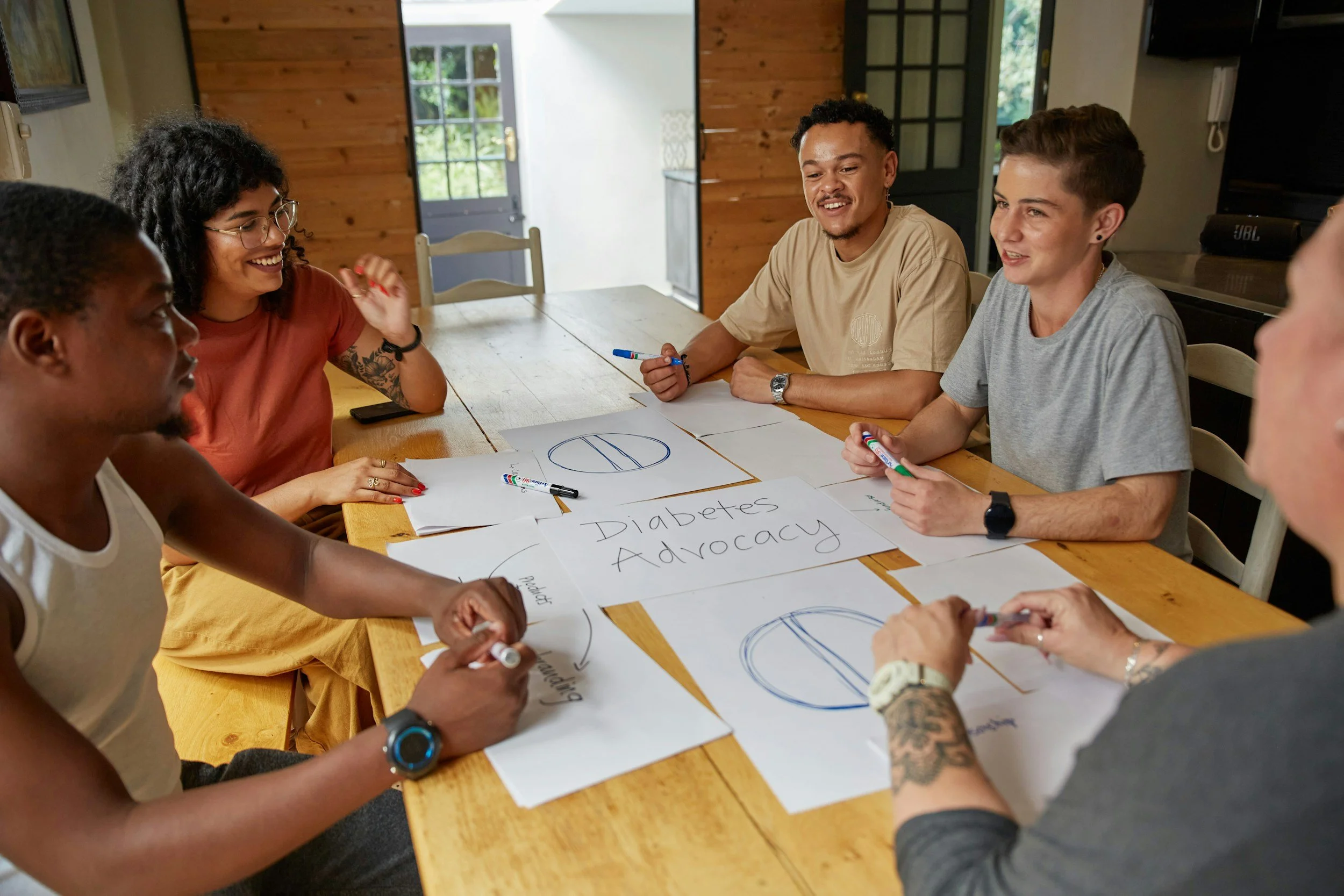
Who knows their own voice, their history, and their power to shape their community.
A Collaborative Leader
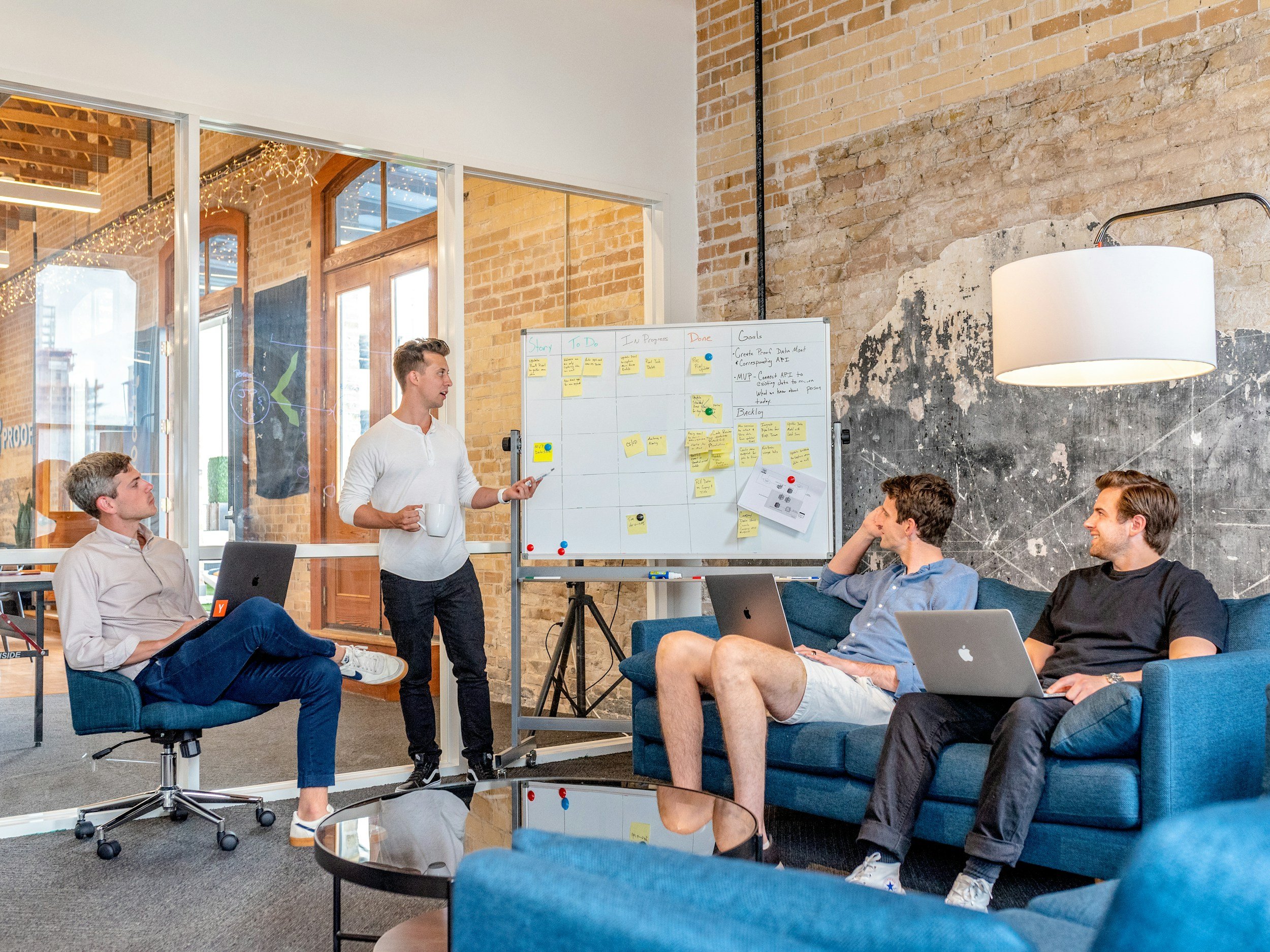
Who knows how to build consensus and work in diverse teams (honed in the Village Model).
A Master of Craft
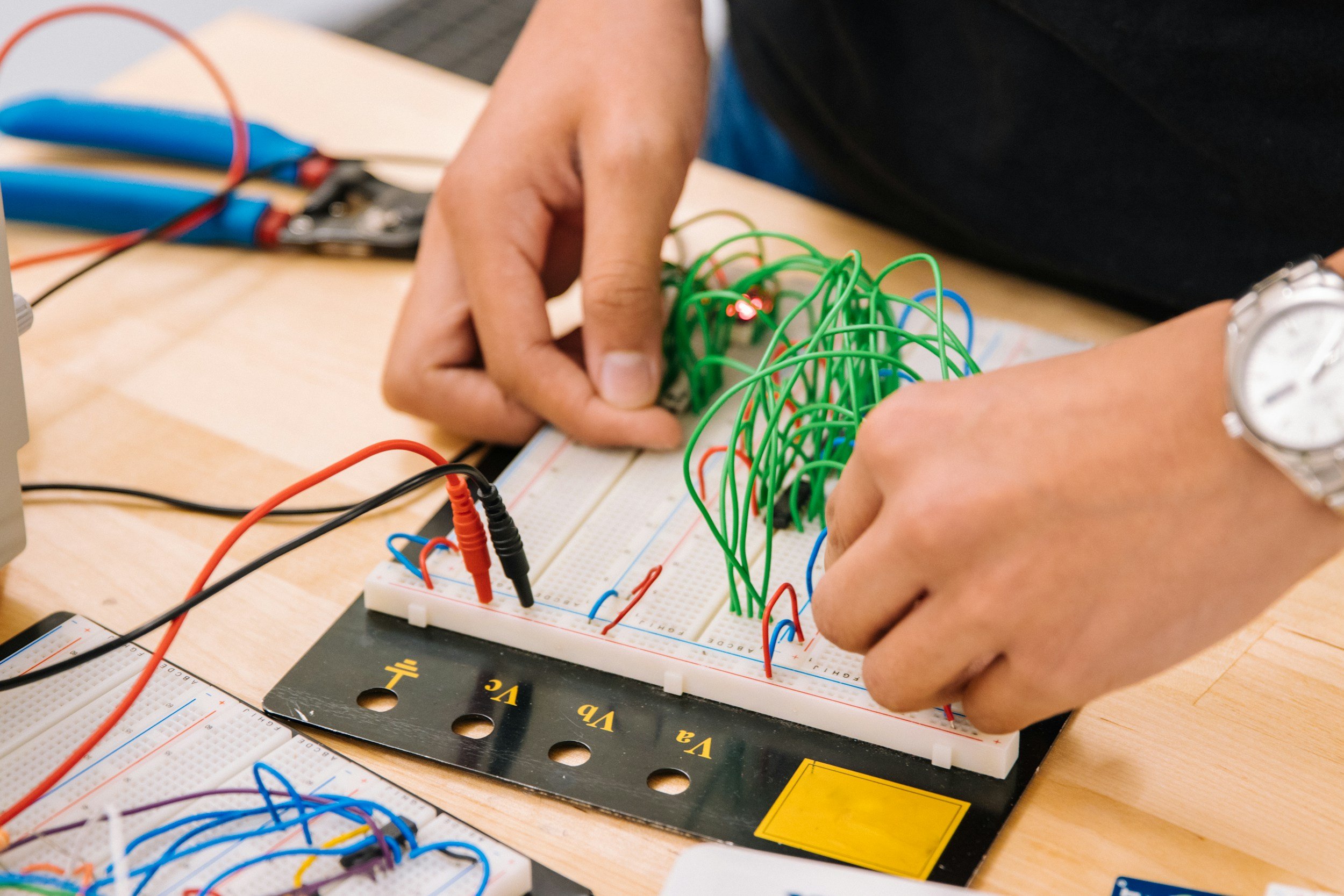
Who has deep, hands-on experience in a specialized field—whether culinary arts, engineering, or botany.
Our Learning Blueprint in Action: The Lived Experience
-
We are building a joyful, active, and collaborative learning ecosystem where students are engaged creators, not passive recipients of information.
8:00 AM - Morning Huddle (Fostering Connection): Sofia doesn't start her day at a desk. She starts in a consistent Morning Huddle with her small Village—a supportive circle of peers and expert educators who know her dreams and needs. This daily ritual builds community, ensures her voice is heard, and prepares her for a day of purposeful discovery.
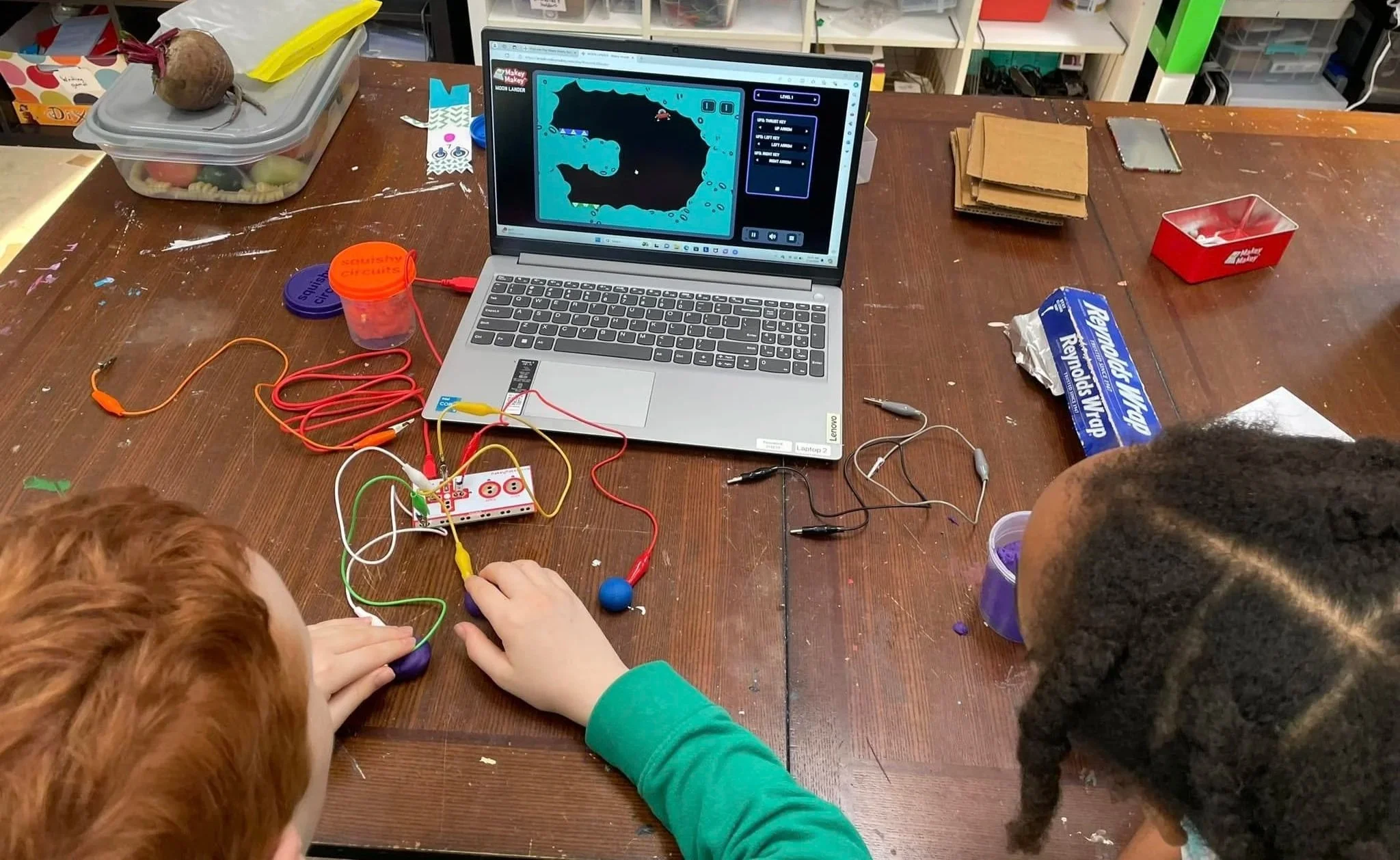
10:00 AM - The Learning Expedition: This is authentic science. Sofia moves to the Outdoor Learning Garden—a living laboratory—where she doesn't just read about ecology; she investigates. Using tools like magnifying glasses and her science journal, she tracks monarch caterpillars and generates original questions about their ecosystem. She is a field scientist, not a student filling out a worksheet.
12:30 PM - Math Studio (The Power of Relevance): The math block is active and hands-on. Sofia uses protractors to master complex angles, but the learning has immediate purpose. Her facilitator explicitly connects this skill to her afternoon project: "Precision will be the key to making sure your pieces fit together." The math is instantly relevant to her creative goal.
1:00 PM - Design Studio (Creation & Mastery): The learning becomes tangible and empowering. Sofia takes her geometric drawings and heads to the makerspace. Using her math as a blueprint, she carefully measures and cuts wood for a handcrafted box. The math is no longer abstract; it is the essential tool that brings her creative vision to life. She is a designer, an engineer, and a creator, seeing her own potential made real.
-
Our Village model is designed to treat teaching as a team sport, ensuring your child is consistently seen, known, and supported.
7:30 AM - Morning Learning Facilitator Meeting: Your child's Village Team—a stable group of professional mentors—meets every morning to review every learner. This ensures that even if one teacher is out, the entire team knows your child's goals and is ready to provide seamless support.
10:00 AM - Small Groups, Deeper Learning: Instruction happens in small, focused groups. You will often see two Learning Facilitators working in the Design Studio or Learning Garden at the same time. This means your child gets more individual attention and safer, deeper facilitation of hands-on learning.
2:00 PM - Protected Problem-Solving Time: We don't wait for problems to become crises. Our facilitators have dedicated, protected time every day to collaborate. They are designing engaging projects and meeting to analyze student progress so they can fix learning gaps immediately—not after school, not on weekends.
The Ultimate Guarantee: Our Village Model ensures that no teacher is isolated, and no child is missed. This shared responsibility creates the stable, professional environment where your child can build long-term, trusting relationships with their educators.
Our Educational Lineage: Standing on the Shoulders of Giants
Natural & Sensory Foundations
Developmentally appropriate learning starts with the hands and the senses. We look to these models to help us build the whole child from age three upward.
Free Forest School: Inspires our walking labs and our commitment to emergent, nature-based play. It reinforces the idea that the outdoors is a vital classroom for developing resilience and curiosity.
Waldorf Education: Influences our focus on the "Head, Heart, and Hands." We borrow from the Waldorf tradition of integrating storytelling, movement, and practical arts to create a rhythmic, high-belonging environment for our youngest learners.
The Edible Schoolyard Project: Inspired by the kitchen classroom and farm-to-school movements, we view our community and native wildlife gardens as primary sites for math, science, and holistic health.
Community, Connection & Teacher Craft
Education is a symbiotic relationship between the student, the teacher, and the neighborhood. These models help us structure our Village.
Reggio Emilia Approach: Views the child as a "competent, strong, and active" protagonist. This informs our belief that the physical environment is the "third teacher."
Academy of Global Citizenship: Demonstrates how a school can serve as a catalyst for community wellness by integrating environmental stewardship and nutritional education into the daily curriculum. Their model reinforces our belief that when a school prioritizes the health and well-being of the whole child, it creates a stable foundation for deep academic inquiry and global stewardship.
Big Picture Learning: Pioneers of “one student at a time” learning. This model informs our Personalized Learning Plans and our focus on community-based mentorship.
Teacher-Powered Schools: We empower our educators as the primary architects of our school culture, supported by our intentional 1:10 instructional ratio.
The Artisan Teacher: Based on the work of Mike Rutherford, we view teaching as a craft. We hire and support Artisan Teachers who bridge academic theory with real-world mastery.
At Learning Blueprint Community Schools, we believe that a school should be a mosaic—a purposeful curation of the world’s best educational practices, tailored specifically for the children and families of Houston. We are not just a building; we are a Campus Without Walls designed as a learning ecosystem where nature, art, and rigorous inquiry intersect.
Our model is anchored in the Texas Essential Knowledge and Skills (TEKS), but our methods are drawn from a long history of student-centered, community-integrated pioneers. Below is the lineage of schools and philosophies that inform our daily practice.
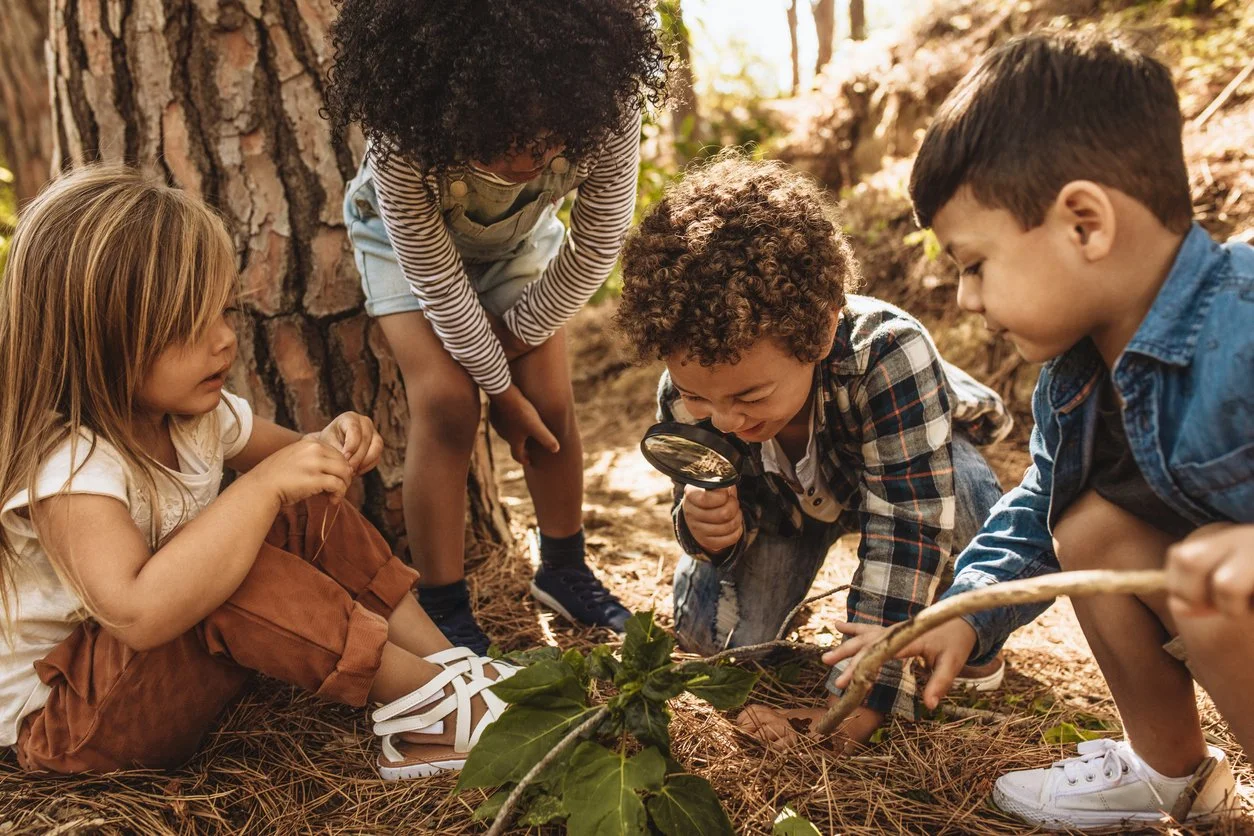
The Art & Science of the Studio
We believe the arts are not an extra—they are the vehicle for deep academic mastery. These schools show us how to turn a school into a high-functioning Learning Lab.
ArtSpace Charter School: Our blueprint for a public charter that successfully masters state standards through a deep, school-wide commitment to visual and performing arts integration.
Design39Campus: A leader in reimagining the school day as a studio experience, replacing traditional rows of desks with collaborative spaces for Design Thinking.
Brightworks: An inspiration for our Campus Without Walls philosophy, where students are trusted with professional tools and engage in an "Arc" of exploration and expression.
High Tech High: The gold standard for Project-Based Learning (PBL), demonstrating how a school can serve as a gallery for professional-quality, community-facing student work.
Why This Matters for Learning Blueprint Community Schools
By weaving these models together, we ensure that our students are not only meeting state standards but are becoming "stewards of their own brilliance." We start in Pre-K 3 and 4 using the sensory foundations of Waldorf and Forest Schools to build the runway for the high-rigor, project-based work of High Tech High in later years.
This is the Village Model—a secure Campus Without Walls where every child is seen, every teacher is an artisan, and the neighborhood is our lab.
Joyful Discovery.
Academic Rigor. One School.
From the garden to the makerspace, we are redesigning school to be a place of active discovery. Your child becomes the driver of their own education.